You need your water heater to work almost every day for showering, cleaning, washing dishes, etc. This puts plenty of stress on your water heater and that makes it likely at some point that it will malfunction and you’ll need to call for water heater repair from experts.
If you know the signs to watch for, you can detect early that your water heater is in trouble. The faster you act, the less likely you’ll suddenly lose all your hot water.
Below are six common signs that you’ve got a malfunctioning water heater. If you’re experiencing any of these signs, don’t hesitate to contact us. Our experienced technicians are standing by 24 hours a day to assist you.
1. Water Leaking
The only place where any water should escape from the water heater is from the pressure relief valve, and that’s only a few drips. If you notice puddles of water around the base of your water heater or water dripping down the side of the tank, you need to have it addressed right away. Many problems can cause water heater leaks, such as overheating, corrosion, or a faulty pressure relief valve.
2. Running Out of Hot Water Quickly
Have mornings in your household turned into mad dashes to get to the showers first before the hot water supply runs out? This shouldn’t be the way your water heater works if it was correctly sized and installed. When this starts to happen, it means the water heater is losing heating capacity for some reason, such as sediment buildup that annual sediment flushing can clear to improve efficiency and help prevent this loss of performance, a broken heating element, or a faulty thermostat, while routine maintenance helps preserve heating capacity and can extend service life to 12-15 years.
3. Water Temperature Fluctuations
Have you noticed when showering that the water temperature goes through sudden swings? Recurring swings can also mean the wrong type or size was chosen, affecting hot water availability: conventional storage tank units typically heat and store 30 to 80 gallons and are more affordable upfront, while a tankless model is popular for high hot water demand because it provides continuous hot water without a storage tank. A water heater is supposed to provide a steady temperature of hot water, so correct settings matter too, and it’s commonly recommended to set the thermostat to 120°F to help prevent scalding. These fluctuations warn of problems that include a bad thermostat, a faulty circulator pump, a broken dip tube, poor gas flow to the burners, or improper installation that can lead to unstable or unsafe performance. Available options also include heat pump water heaters, which transfer heat from the surrounding air to water, with electric heat pump water heaters being energy-efficient in warm climates; hybrid units need at least 750 cubic feet of ambient air space and may qualify for utility rebates and tax credits.
4. Discolored Water
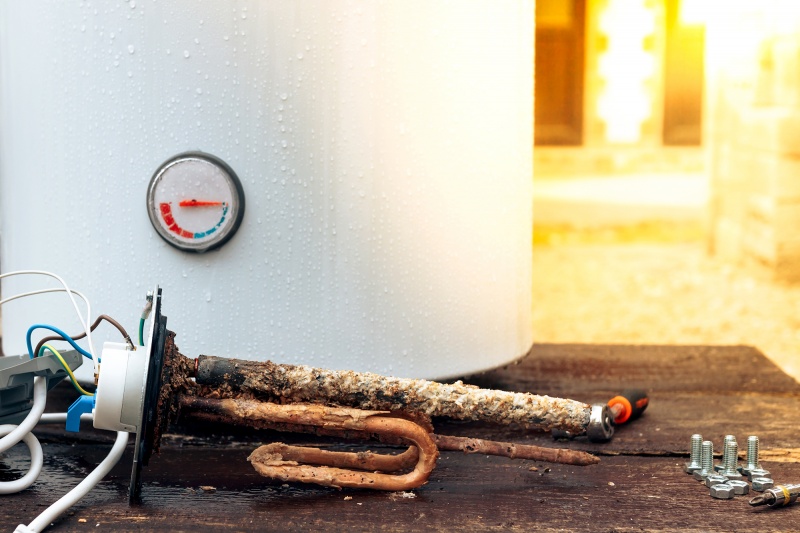
You turn on the hot water faucets in your home and see a rusty color in the water. If this is occurring at all the faucets and doesn’t stop after a minute or so, it likely means there is excess sediment in the water heater tank or the tank is starting to rust. The tank can be flushed to remove sediment, but severe corrosion usually means water heater replacement rather than continued repairs.
5. Unusual Noises
Odd sounds from a water heater to pay attention to include rumbling, popping, and banging, often caused by sediment buildup and trapped air bubbles. Don’t worry that your water heater is about to explode this is extremely rare. However, we recommend you shut off the water heater first and then call for technicians to investigate the sounds. Annual flushing through the drain valve with a garden hose is standard maintenance, and the anode rod should be inspected and replaced every few years.
6. Lower Water Pressure
Many different plumbing issues can cause a drop in water pressure in your house, and if it only affects the hot water taps, the issue may be with the heater, such as clogs, problems in the plumbing connections, or partially restricted water lines serving the unit.
Many different plumbing issues can cause a drop in water pressure in your house. But if the water pressure problem is only happening with the hot water taps, the issue is probably with the water heater, such as clogs in the line or a dying circulator pump.
After a new water heater is installed, many areas require permits for water heater installation; in Athens-Clarke County, plumbing work typically does, and the local building department can confirm permit rules, especially for hot water heater installation that changes fuel types and must meet local codes and plumbing codes. In Athens, a new heater install often takes about 3 to 4 hours, though some professional jobs run 6 to 8 hours; plumbers commonly charge $45 to $65 per hour, residential units may cost $150 to $400 plus installation fees, and a professional electric water heater setup is often around $1,200. DIY work can save about 50% on labor costs, and an electric water heater is usually more manageable for handy homeowners, but water heaters can weigh several hundred pounds, so move one with help or an appliance dolly; for threaded fittings or gas supply work on gas water heaters, use two pipe wrenches to avoid stressing gas lines and the gas control valve.
To reduce the risk of electrical shock and electric shock, shut off electrical power at the circuit breaker and verify it is off with a non-contact voltage tester before touching the electrical junction box, power wires, electrical wiring, electrical conduit, conduit connector, wire nuts, ground wire, or other electrical connections; gas and tankless units also need critical proper ventilation and adequate ventilation to limit carbon monoxide risk, so licensed plumbers are recommended for water and gas lines and venting work. Connect water lines by bringing the cold water supply to the ‘C’ inlet with a shutoff valve, using flexible water connectors or flexible connectors, plus pipe joint compound or plumber’s tape on threaded fittings and compression fittings as needed with existing plumbing, water pipes, copper pipes, cold water lines, or plastic pipe; then fill the tank and purge air by opening a hot water faucet at the nearest hot water faucet before restoring power so the heating elements are protected.
JN Electrical Temperature Control, Inc works hard to ensure customer satisfaction with custom comfort solutions. Call us when you need water heater repairs.