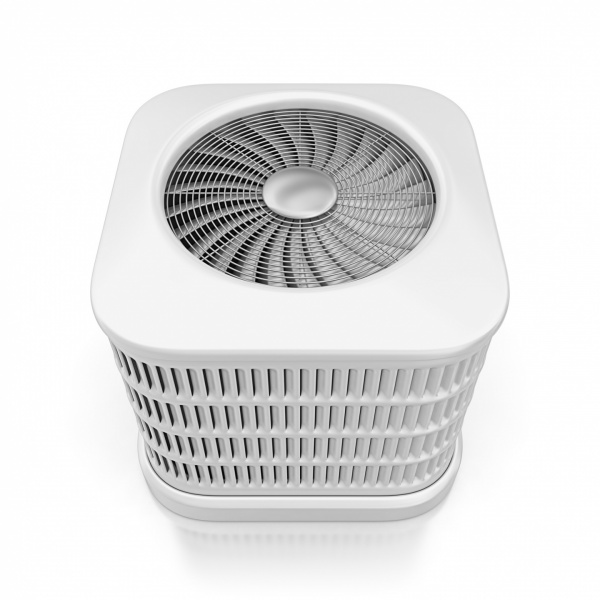
The heart of a central AC is its compressor. This powerful motorized component places refrigerant under pressure so that it will circulate through the rest of the air conditioning system and change between a hot gas and a cold liquid to move heat out of the house.
Because the compressor is so powerful, it uses the most energy of any part of the AC. It’s also an expensive component to replace if it should burn out and fail. Conventional wisdom says that a dead compressor means the whole AC has to go to the recycling yard so a new AC can replace it.
But conventional wisdom isn’t always 100% accurate. So let’s look further into the possibilities when you’ve got a dead compressor. Do you need a full central AC replacement in Stephens County in this case? Or is there another option?
Option #1: Replace Only the Compressor
This option can be a good choice if the compressor is under warranty. If it is, you’ll save significantly on the replacement cost, making it a viable option. However, if the warranty has expired, replacing the compressor alone can be prohibitively expensive. Additionally, if your AC system is older, a new compressor may not be compatible or may not offer the efficiency improvements you need. An upgrade at this point means an air conditioner with a long service life ahead of it and superior energy efficiency.
Option #2: Replace Only the Outdoor Condenser
Replacing the outdoor condenser is less costly than replacing the entire AC unit, but it comes with its own risks. The new condenser may not match the existing indoor components, leading to inefficiencies or even potential damage. Furthermore, this option doesn’t provide the advantage of a new warranty on the entire system, leaving you at risk for future repairs and an abbreviated system life—the indoor components are still old.
Option #3: Replace the Condenser and the Indoor Evaporator Coils
In other words, replacing the air conditioning system. This option comes with a new warranty. By replacing both the condenser and the indoor evaporator coils, you ensure compatibility and maximize efficiency. This can be a smart choice if your current system is aging or if you’ve experienced multiple issues in the past. Although not the default option exactly, it does tend to be the ideal option if the AC is no longer under warranty.
Option #4: Replace the Entire HVAC System
If your heating system is also old or inefficient, replacing the entire HVAC system may be the most cost-effective choice. This means getting a new heating system along with a new AC unit, which can offer significant energy savings and performance improvements. This option also comes with the benefit of a new warranty and the peace of mind that comes with an entirely new, modern system.
Consult With Our Pros
The best course of action when dealing with a failed compressor is to consult with a professional. Our team at JN Electrical Temperature Control, Inc. can provide expert advice tailored to your specific situation. We’ll help you weigh the pros and cons of each option and determine the most cost-effective and efficient solution for your home.
Frequently Asked Questions
Question: Does a failed AC compressor mean I need to replace the entire air conditioner?
Answer: Not always. A failed compressor does not automatically mean the entire air conditioner must be replaced. In some cases, the compressor can be repaired or replaced. However, if the system is older or repair costs are high, replacing the full unit may be the more practical and cost-effective option.
Question: What causes an air conditioner compressor to fail?
Answer: AC compressors can fail for several reasons, including electrical issues, refrigerant problems, overheating, or lack of regular maintenance. When internal components wear out or the system experiences prolonged stress, the compressor may stop working properly, which prevents the air conditioner from effectively cooling your home.
Question: Is it worth replacing a compressor on an older AC system?
Answer: Replacing a compressor on an older air conditioner may not always be the best investment. If the system is near the end of its expected lifespan or has experienced frequent repairs, installing a new unit could provide better reliability, improved efficiency, and fewer long-term maintenance concerns.
Question: What are the signs that an AC compressor has failed?
Answer: Common signs of a failing compressor include warm air coming from vents, loud or unusual noises from the outdoor unit, difficulty starting the system, or frequent circuit breaker trips. If these symptoms appear, a professional HVAC technician should inspect the system to determine the cause.
Question: How can homeowners prevent compressor problems in their AC system?
Answer: Preventing compressor problems often starts with regular maintenance. Routine inspections, coil cleaning, and ensuring proper refrigerant levels help reduce stress on the compressor. Keeping the outdoor unit clear of debris and scheduling professional tune-ups can also help maintain system performance and reliability.
Contact JN Electrical Temperature Control, Inc. and you’ll “Feel the Difference”!